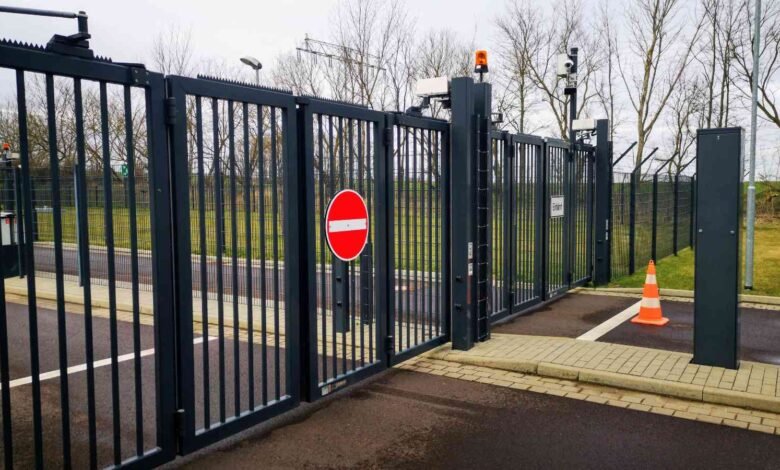
For most businesses, security starts at the boundary line. Long before someone reaches your front door, they have already formed an impression based on how your site looks and how easy it is to access. A well-planned fence and gate system does more than keep intruders out—it helps control traffic, protect assets, manage safety risks and reinforce your brand’s professionalism.
Whether you manage a warehouse, industrial facility, school, retail complex or commercial yard, investing in the right perimeter solution is one of the most practical ways to reduce risk and improve day-to-day operations.
Why Perimeter Security Matters for Modern Businesses
Physical security is often overlooked until something goes wrong—a break-in, vandalism, theft from the yard or an unauthorised vehicle entering restricted space. At that point, the cost of inaction becomes very clear.
A properly designed boundary serves several purposes at once. It acts as a visual deterrent, signalling that the site is monitored and controlled. It creates a defined edge between public and private space, which helps with liability and safety. And it directs foot and vehicle traffic towards approved entry points, making access control far more manageable.
For sites holding valuable stock, tools, vehicles or sensitive information, secure commercial fencing is not a luxury add-on—it is part of the core risk management strategy.
Matching Fence Types to Business Needs
Not all fences are created equal. The best choice for your site depends on factors like location, risk profile, aesthetics and budget.
Industrial and logistics environments often prioritise height, strength and climb resistance. Chain mesh, security palisade and heavy-duty steel options are common, sometimes combined with barbed or razor wire in higher-risk areas. For customer-facing businesses, the visual aspect becomes just as important as security. Tubular steel, architectural panels and powder-coated finishes can deliver a professional look without compromising strength.
In some cases, visibility through the fence is essential—for example, where surveillance cameras need a clear line of sight or where passive surveillance from neighbouring properties is part of the security strategy. In others, privacy is a priority, such as storage yards or facilities handling sensitive operations. Here, solid infill panels or slat systems can help block unwanted views into the site.
The key is to choose a style that fits how your business actually operates, rather than simply replicating what a neighbouring site has installed.
Gates: The Control Point of Your Perimeter
While the fence defines your boundary, gates are where the real control happens. This is where vehicles and pedestrians enter and exit, where deliveries are checked, and where you have the greatest opportunity to manage who comes and goes.
Poorly planned gate setups can create congestion, blind spots and security gaps. Well-designed ones do the opposite: they streamline traffic, make it easy for staff to do their jobs and reduce the chance of tailgating or unauthorised access.
Sliding gates are popular for sites with limited room to swing inwards or outwards, especially on busy driveways. Swing gates may suit smaller openings or lower-traffic sites. For wide industrial entries, heavy-duty cantilever gates can provide smooth operation without the need for ground tracks that clog with debris.
Pairing gates with the right access systems—keypads, fobs, card readers, intercoms or ANPR (number-plate recognition)—can also improve security while minimising manual intervention.
Integrating Advanced Commercial Gate Systems
Modern businesses increasingly rely on automation and integration to manage access efficiently. Well-chosen advanced commercial gate systems can be tailored to match the way your site runs, whether that means 24/7 logistics, office hours only, or a mix of staff, contractors and visitors coming and going at different times.
Automation allows gates to open and close safely with minimal manual handling, reducing the risk of injury and speeding up throughput for vehicles. Integration with existing security systems—such as CCTV, alarms and building access control—creates a more complete picture of who is on site at any given time.
For multi-site businesses or those with rotating staff and contractors, centralised control and audit trails can be particularly valuable. Being able to revoke access quickly, track entry events and adjust schedules helps keep security aligned with operational needs.
Compliance, Safety and Site-Specific Considerations
Fences and gates must be safe as well as secure. That means taking into account factors such as emergency egress, visibility for drivers and pedestrians, and compliance with any relevant regulations or local planning requirements.
On high-traffic sites, clear sightlines at gate entries and exits help reduce the risk of vehicle collisions. For pedestrian access, well-marked walkways and separate gates can minimise conflict points with trucks, forklifts or customer vehicles. In some environments—such as schools, healthcare or public facilities—there may be additional guidelines around child safety, accessibility and emergency evacuation that need to be factored into the design.
Consulting early with an experienced fencing contractor helps ensure that security upgrades do not inadvertently create new safety hazards or code issues.
Durability, Maintenance and Whole-of-Life Costs
The upfront price of a fence or gate is only part of the story. Over time, materials, finishes and installation methods all affect how much maintenance will be required, how the system will age and how well it will withstand local conditions.
Quality fabrication and professional installation reduce the likelihood of sagging gates, rust, misalignment and early failure of automation components. Choosing appropriate coatings and hardware for coastal or industrial environments can add years to the life of your investment.
Regular inspections, lubrication of moving parts and prompt repairs when damage occurs all play a role in keeping your perimeter working as intended. A good supplier will advise on maintenance routines and offer support if components need adjustment or replacement.
Choosing the Right Partner
With so much riding on your perimeter, the choice of supplier matters. A specialist such as Lee Bros Fencing can assess your site, listen to your operational needs and recommend solutions that balance security, safety, appearance and budget.
Look for a partner who provides clear advice, detailed quotes and examples of similar projects they have completed. They should be able to explain why they recommend certain materials or configurations, not just list products. Strong communication during planning and installation is a good indicator of how they will respond if you need support later.
In the end, securing your business with the right fencing and gate systems is not just about keeping threats out. It is about creating a controlled, professional environment where staff feel safe, assets are protected and day-to-day operations run more smoothly. When your perimeter works with your business instead of against it, it becomes one of your most valuable—and often most overlooked—assets.