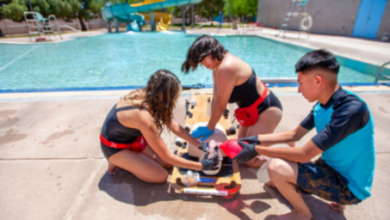
Learning new skills can often feel challenging and slow, especially when we rely only on traditional methods like reading or listening to instructions. Fortunately, there is a more effective approach called experiential learning, which allows you to learn by doing. This method makes learning more engaging, practical, and often faster. In this article, we will explore how experiential learning can help you master new skills efficiently and confidently.
Understanding Experiential Learning
Experiential learning is a process where you gain knowledge and skills through direct experience. Instead of just hearing about a concept or watching someone perform a task, you actively participate in the activity yourself. This hands-on approach helps your brain process information better and retain it longer. Experiential learning can be applied to many areas, from professional training to hobbies and everyday tasks. It focuses on learning through practice, reflection, and real-world application.
The Benefits of Learning by Doing
One of the biggest advantages of experiential learning is that it encourages active involvement. When you perform tasks yourself, you are more likely to understand the steps and challenges involved. This type of learning also allows you to make mistakes in a safe environment, which is an important part of mastering a skill. By reflecting on your experiences, you can identify what works, what doesn’t, and how to improve. Over time, these experiences build your confidence and competence in the skill you are learning.
Faster Skill Development
Experiential learning can significantly speed up the process of learning new skills. Traditional learning methods, such as reading or attending lectures, often involve memorization without practical application. In contrast, when you engage in experiential learning, you immediately apply what you have learned, reinforcing your understanding. For example, if you are learning to cook, following recipes is helpful, but actually preparing meals allows you to understand timing, techniques, and problem-solving in real situations. This practical exposure accelerates your learning and helps you retain knowledge longer.
Adapting to Real-World Situations
Skills learned through experiential learning are often easier to apply in real-life situations. This is because you have already practiced them in conditions similar to those you will face outside the learning environment. For instance, if you are learning public speaking, practicing in front of a small group prepares you to perform confidently in larger settings. Experiential learning bridges the gap between theory and practice, making it easier to adapt your skills when unexpected challenges arise.
Building Critical Thinking and Problem-Solving Skills
Another important benefit of experiential learning is the development of critical thinking and problem-solving abilities. When you encounter challenges during hands-on practice, you are encouraged to think creatively and find solutions. This approach enhances your ability to analyze situations and make decisions independently. Over time, you become more resourceful and confident, which is valuable not only for mastering specific skills but also for personal and professional growth.
See also: How to Create a Memorable Festival Experience for Attendees
Enhancing Engagement and Motivation
Learning through experience is often more enjoyable and motivating than traditional methods. Experiential learning keeps you engaged because you are actively participating, rather than passively receiving information. This engagement leads to a deeper connection with the material and a stronger commitment to mastering the skill. When you see your progress firsthand, it reinforces your motivation and encourages continuous improvement.
Conclusion
Experiential learning is a powerful way to master new skills faster and more effectively. By actively engaging in tasks, reflecting on experiences, and applying knowledge in real situations, you can build confidence, improve problem-solving abilities, and retain information longer. Whether you are learning a professional skill, a hobby, or a practical life task, experiential learning provides a hands-on, engaging, and results-driven approach. Embracing this method can transform the way you learn and help you achieve your goals with greater speed and success.