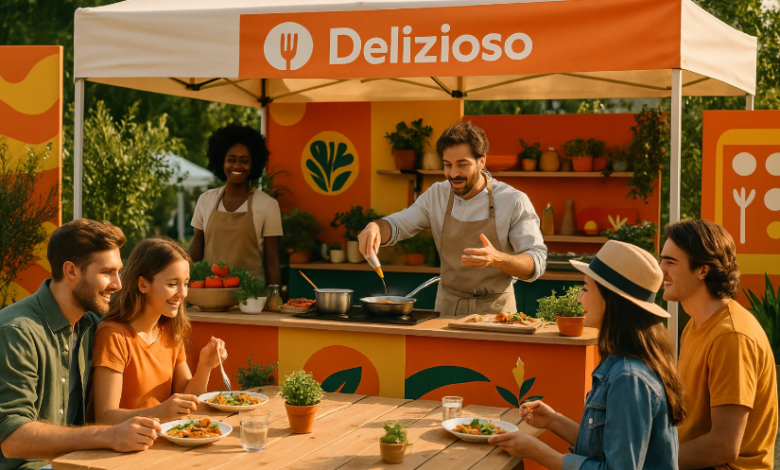
Planning a festival involves juggling logistics, safety protocols, and artist schedules. While these operational details keep the event running, the attendee experience determines if people will return next year. A truly successful event feels seamless to the guest. They should move through the day without frustration, fully immersed in the atmosphere you built. Creating this kind of environment requires focusing on the journey from the moment they buy a ticket until they leave the venue.
Streamlining the Entry Process
The first impression happens at the gate. Long lines and confusing security checks kill the mood before the music even starts. Efficient entry strategies set a positive tone for the rest of the day.
Start by offering multiple entry lanes based on ticket types or baggage requirements. Separating attendees with bags from those without can speed up security checks significantly. Digital ticketing is another non-negotiable standard. Scanning codes from phones is faster than checking physical lists or tearing paper stubs. Ensure your staff has reliable scanners and backup power sources.
Communication is vital here. Send clear instructions to ticket holders regarding what they can and cannot bring. When guests arrive prepared, the lines move faster. Clear signage outside the venue helps direct foot traffic and prevents bottlenecks where crowds tend to gather.
Designing Immersive Environments
A memorable festival transports people away from their daily lives. The physical layout and visual design play huge roles in this immersion. Do not just set up stages; build worlds. Use art installations, lighting, and decor that fit a cohesive theme.
Rest areas are often overlooked but essential. People need places to sit, recharge, and escape the sensory overload of the main stages. Design these chill-out zones with the same care as the performance areas. Comfortable seating, shade, and lower-volume ambient music allow guests to recover so they have the energy to stay longer.
Lighting transforms the mood as the sun goes down. Use dynamic lighting not just on stage, but throughout the walkways and trees. It enhances safety while adding to the magical atmosphere.
Prioritizing Connectivity and Communication
Modern festival-goers expect to stay connected. They want to share videos, find friends, and access event apps. Unfortunately, large crowds often overload standard cellular networks, leading to frustration.
Reliable connectivity is also critical for your operations team. Vendors need to process payments, and security needs to communicate instantly. This is where advanced infrastructure comes in. Deploying a dedicated private wireless network ensures that critical operations remain online even when thousands of people are trying to upload photos at once. When your backend systems work flawlessly, the front-end experience for the guest remains smooth.
Curating Diverse Food and Beverage Options
The days of stale hot dogs and warm soda are over. Food is now a central part of festival culture. Curate a lineup of vendors that offers variety and quality. Include options for different dietary needs, such as vegan, gluten-free, and nut-free choices.
Water access is a safety issue as much as a comfort one. Provide free, easy-to-find water refill stations. Dehydration causes medical emergencies that ruin the experience for everyone involved. Keep lines for food and drinks moving by having enough points of sale. Long waits for a drink take people away from the performances they paid to see.
See also: How to Extend the Lifespan of Your Greenhouse Cover? (Ultimate Guide)
Managing Crowd Flow and Safety
Safety makes guests feel relaxed. If people feel unsafe or crushed in a crowd, they cannot enjoy themselves. Analyze your site map to identify potential choke points. Widen walkways between popular stages and stagger set times so thousands of people do not rush to the same area simultaneously.
Visible security and medical staff provide reassurance. They should be approachable and helpful, not just intimidating. Clear signage for exits, medical tents, and information booths prevents panic if an issue arises.
Sanitation is another pillar of comfort. Clean, well-stocked restrooms are a basic requirement that many events fail to meet. Schedule frequent cleaning rounds and ensure there are enough facilities to handle the crowd size.
Creating Interactive Moments
Passive entertainment is good, but interactive moments stick in the memory. Give attendees something to do besides watching a stage. Photo opportunities, art workshops, or games encourage strangers to interact and build a sense of community.
Surprise pop-up performances or hidden areas reward exploration. When guests feel like they have discovered something special, they feel a deeper connection to the event. These small details create stories that they will tell their friends later.
Conclusion
Building a festival that people remember fondly requires empathy. You must walk through the event in your mind as an attendee. Every friction point you remove allows the guest to focus more on the art and the community. By prioritizing smooth entry, immersive design, reliable infrastructure, and basic comforts, you turn a simple gathering into an unforgettable experience.