A safe manufacturing environment isn’t just a regulatory requirement—it’s a cornerstone of productivity, employee morale, and long-term business success. When workers trust that their environment is secure and well-managed, they can focus on what they do best. On the other hand, even small oversights in safety can lead to costly downtime, equipment damage, or serious injuries. Building a hazard-free manufacturing environment takes conscious effort, proactive planning, and a culture that values safety as much as output.
Creating a Safety-First Culture
Safety starts with people. A hazard-free environment begins with leadership that actively promotes safe behavior, encourages reporting of risks, and invests in the right training and tools. When leaders model safe practices and consistently reinforce the importance of safety, employees are more likely to follow suit.
Clear communication plays a major role here. Regular safety meetings, visual reminders such as posters and floor markings, and an open-door policy for safety concerns make employees feel heard and valued. When workers can easily voice a problem before it becomes a hazard, organizations prevent countless accidents.
Training: The Foundation for Accident Prevention
Even the most advanced equipment and protective gear are ineffective without proper training. Employees should receive thorough onboarding that covers machine operation, hazard recognition, emergency procedures, and the correct use of personal protective equipment (PPE). But training shouldn’t stop there. Ongoing refreshers ensure that safety knowledge stays current.
Hands-on training, simulations, and routine drills help reinforce safe behaviors. When employees practice responding to emergencies—like fires, chemical spills, or medical situations—they become better equipped to handle real-life incidents with clarity and confidence.
Maintaining Equipment for Maximum Safety
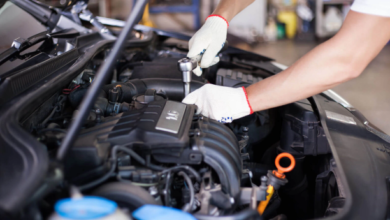
Faulty equipment is one of the most common causes of workplace accidents. Preventive maintenance is key to minimizing risk. Regular inspections, lubrication schedules, software updates, and timely repairs help extend equipment life while ensuring it operates safely.
This applies to everything—from heavy machinery and conveyor belts to ventilation systems and industrial waste water systems, which play a crucial role in maintaining safe and compliant operations. When maintenance is consistent, breakdowns become rare and hazards remain at bay.
Identifying and Eliminating Hazards
Hazard identification should be a continuous process, not a one-time task. Conducting regular walk-throughs, audits, and risk assessments helps uncover potential dangers before they escalate. Common manufacturing hazards include:
- Slippery floors from spills or oils
- Cluttered workspaces that block exits or create tripping hazards
- Improperly stored chemicals or raw materials
- Lack of machine guards
- Inadequate lighting that leads to errors or falls
Implementing standardized safety procedures—such as lockout/tagout programs, clear labeling, and chemical handling guidelines—reduces the likelihood of accidents. Simple organizational systems like 5S (Sort, Set in order, Shine, Standardize, Sustain) can drastically improve workplace clarity and cleanliness.
See also: Tips to Reduce Stress Using Natural Wellness Techniques
Investing in Personal Protective Equipment
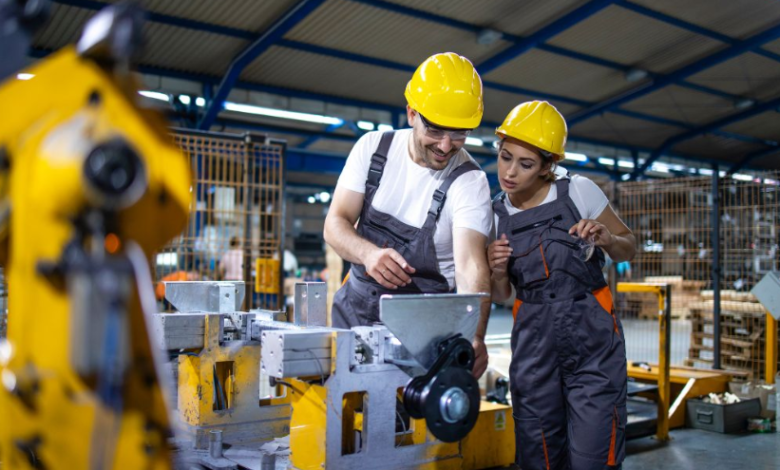
PPE serves as the last line of defense against hazards. Ensuring that employees have access to the right protective gear—and know how to use it—is crucial. Depending on the operations, this may include:
- Safety goggles
- Hard hats
- Steel-toe boots
- Gloves
- Respirators
- Hearing protection
Just as important is ensuring PPE is comfortable, accessible, and regularly maintained. Damaged or outdated equipment should be replaced promptly.
Leveraging Technology to Enhance Safety
Modern manufacturing facilities can take advantage of advanced technology to further reduce hazards. Automated machinery, smart sensors, and AI-powered monitoring systems can detect anomalies, alert supervisors to dangerous conditions, and minimize human exposure to high-risk tasks.
Wearable devices can track employee movement, monitor fatigue, and provide instant alerts in emergency situations. Meanwhile, digital dashboards and analytics tools allow managers to spot patterns in safety data and take corrective action early.
Preparing for Emergencies
A hazard-free environment doesn’t just prevent accidents—it also prepares for the unexpected. Effective emergency planning includes:
- Clearly marked exits
- Easily accessible emergency equipment
- Trained first responders on staff
- Up-to-date evacuation maps
- Regular emergency drills
When everyone knows their role in an emergency, chaos is minimized and safety is maximized.
Final Thoughts
Creating a hazard-free manufacturing environment is an ongoing commitment, not a one-time achievement. Through proactive leadership, continuous training, proper equipment maintenance, and a shared dedication to safety, manufacturers can build workplaces where employees feel confident and protected. When safety is at the core of operations, every aspect of the business—from productivity to morale—benefits in powerful ways.