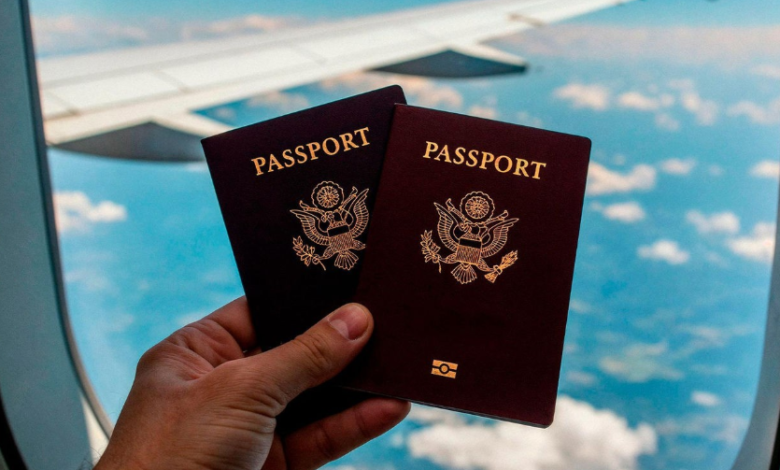
Unlike U.S. citizens or permanent residents, individuals with Deferred Action for Childhood Arrivals (DACA) face a more complex process for international travel. To leave and re-enter the country without jeopardizing their legal status, DACA recipients must first obtain a travel document known as advance parole. This document grants temporary permission to travel abroad for specific, pre-approved reasons, such as humanitarian, educational, or employment purposes. Preparing the correct documentation is crucial for a smooth process. This guide outlines the key paperwork required to apply for advance parole and travel safely as a DACA recipient.
What Is Advance Parole?
Advance parole is a travel document that allows certain non-citizens, including DACA recipients, to reenter the U.S. after traveling abroad. While it doesn’t guarantee reentry, it greatly improves your chances of being allowed back in at a port of entry.
Under advance parole DACA, permission is typically granted for travel related to:
- Humanitarian reasons (visiting a sick relative, attending a funeral)
- Educational purposes (study abroad programs, academic research)
- Employment reasons (work assignments, professional training)
Applicants must submit a formal request and receive approval before leaving the country. Departing without it could jeopardize DACA status and bar reentry.
See also: 5 Steps to Foster Trust and Transparency in Business Teams
Essential Documents to Apply for Advance Parole
To begin the process, applicants must prepare a set of forms and supporting materials. The application typically includes:
- Form I-131 (Application for Travel Document) – This is the official form used to request advance parole.
- Copy of DACA approval notice – Proof that you are a current DACA recipient.
- Supporting evidence – Documents that explain the reason for your travel, such as medical letters, school enrollment papers, or job-related invitations.
- A detailed explanation letter – This outlines the purpose of your travel and why it fits the guidelines.
- Government-issued ID – Such as a passport or work permit.
Having complete, organized paperwork increases the chances of receiving approval. Incomplete or unclear applications may result in delays or denials.
Documents You Must Carry While Traveling
After your advance parole DACA request is approved, you’ll receive an official travel authorization document. Keep it with you at all times, especially when re-entering the U.S.
Here’s a checklist of what to bring when you travel:
- Advance parole approval notice – The original document, not a copy.
- Valid passport – This is required for travel and reentry.
- Work permit (EAD card) – Proof of DACA status.
- Photo ID – Such as a driver’s license or government-issued card.
- Travel itinerary – Including return flight confirmation or accommodation details.
- Any supporting documents – Letters from schools, employers, or medical professionals verifying the reason for your trip.
Keeping a folder with both physical and digital copies of these documents adds an extra layer of security in case anything is lost or questioned during travel.
What to Expect When Returning to the U.S.
Reentry to the U.S. with advance parole for DACA is not guaranteed. At a port of entry, you must present your travel document to a U.S. Customs and Border Protection (CBP) officer for inspection. The officer will review your paperwork and ask about your trip.
It’s important to:
- Answer truthfully and clearly
- Present all required documents upon request
- Remain calm and cooperative during the inspection
While most DACA recipients with valid advance parole are allowed back into the country, final decisions are made by CBP. That’s why it’s essential to ensure everything is in order before departure.
Tips for Safe and Prepared Travel
- Do not leave the U.S. without advance parole approval. Doing so can result in loss of DACA status.
- Keep copies of all submitted documents. In case there’s ever a question about what was filed.
- Double-check your travel dates. Make sure your return is scheduled before your advance parole expires.
- Stay informed. Immigration policies may change, so it’s wise to stay updated before and during your travel plans.
- Seek guidance if unsure. While many applicants handle the process themselves, getting advice can help prevent errors.
Preparing thoroughly ensures that travel under advance parole DACA is as smooth and safe as possible.
Conclusion
Traveling as a DACA recipient requires careful planning and responsibility. With the right documents, approvals, and understanding of the process, international travel is possible through advance parole DACA. Every step, from applying to returning home, demands attention to detail and preparation. Knowing which documents to carry and how to organize them can significantly improve your travel experience. When handled properly, advance parole provides access to important opportunities without risking your status in the United States.