Why Recovering NGLs at Compressor Stations Improves Both Profitability and Emissions Compliance

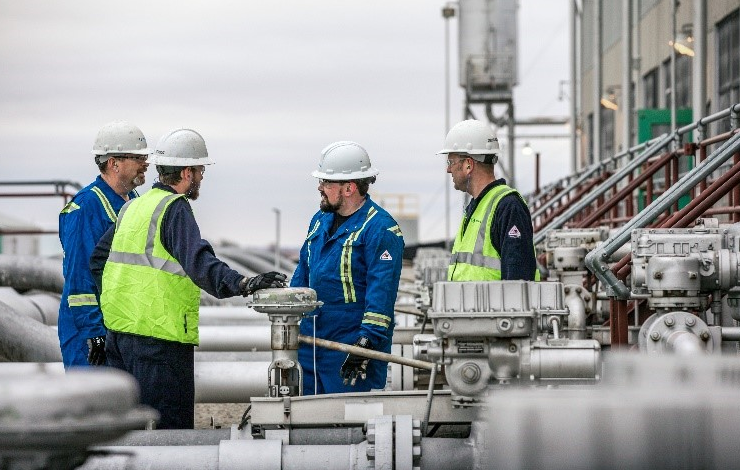
Natural Gas Liquids (NGLs) are an essential component in the energy sector. They are by-products of natural gas production and play a significant role in various industries, from petrochemicals to heating and fuel production. However, traditionally, NGLs have often been flared off or wasted at compressor stations. With growing pressure to reduce emissions and increase operational efficiency, recovering NGLs has become a valuable solution for companies in the energy sector. This blog will explore how recovering NGLs at compressor stations not only improves profitability but also helps ensure compliance with emissions regulations.
What Are Natural Gas Liquids (NGLs)?
NGLs are a mixture of hydrocarbons found in natural gas. These include ethane, propane, butane, isobutane, and natural gasoline, which are separated from natural gas during processing. NGLs have various industrial applications, including serving as feedstock for petrochemical manufacturing, fueling vehicles, and being used in refrigeration systems. They are typically valuable products, but many compressor stations still vent or flare them due to a lack of recovery technology.
Recovering NGLs has the potential to increase efficiency, create additional revenue streams, and help meet regulatory demands for reducing emissions. By capturing and using NGLs instead of venting them into the atmosphere, companies not only improve profitability but also reduce their carbon footprint.
How NGL Recovery Solution Benefits Profitability
The process of recovering NGLs involves capturing these valuable gases during natural gas processing and transporting them to storage or conversion facilities. This process can be done using specialized equipment designed for efficient separation and collection of NGLs. Implementing an NGL recovery solution at compressor stations provides several key advantages that directly improve profitability.
Increased Revenue from Valuable Products
NGLs are valuable commodities in the energy sector. By recovering and selling them, compressor stations can generate additional revenue. Propane, for example, is used widely as a heating fuel and in agricultural applications, while butane and isobutane are used in gasoline blending. By incorporating an NGL recovery solution, compressor stations can convert what was previously wasted into profitable products, which can be sold to fuel suppliers, chemical manufacturers, and other industries.
Cost Reduction through Operational Efficiency
Implementing NGL recovery at compressor stations also leads to long-term cost savings. By capturing and storing NGLs, companies reduce the need for additional processes to handle waste gases, thus streamlining operations. This can result in lower operating costs related to the disposal of waste, such as venting or flaring, as well as reducing equipment wear from inefficient gas handling. Furthermore, optimizing the recovery process reduces the risk of losing valuable hydrocarbons, improving overall production efficiency.
See also: How Wearable Technology Is Enhancing Health and Fitness
Environmental Benefits of NGL Recovery
In addition to the economic benefits, recovering NGLs at compressor stations offers significant environmental advantages. One of the most pressing issues in the energy sector is emissions, particularly the release of methane and other greenhouse gases (GHGs) into the atmosphere. By capturing NGLs, companies can prevent the emission of these gases, thereby mitigating environmental harm and meeting increasingly stringent regulatory requirements.
Reducing Carbon Emissions
The burning of NGLs through flaring or venting contributes to the emission of carbon dioxide and methane, two potent greenhouse gases. By recovering NGLs, compressor stations can significantly reduce the release of these harmful gases. This aligns with global efforts to reduce carbon footprints and mitigate climate change. Governments around the world are imposing stricter emissions standards, and companies that adopt NGL recovery solutions will be better positioned to comply with these regulations.
Complying with Emissions Regulations
In response to growing concerns about climate change, regulators are tightening emissions standards for the oil and gas industry. Many countries now have specific targets for reducing emissions from fossil fuel operations. By implementing NGL recovery technology, compressor stations can more effectively meet these standards and avoid penalties associated with non-compliance. The shift toward emission reductions and sustainability is becoming increasingly important, and companies that invest in recovery solutions position themselves as leaders in this area.
Cold Stream Energy: A Key Player in NGL Recovery
Cold Stream Energy is at the forefront of providing innovative NGL recovery solutions for compressor stations. Their advanced technologies enable efficient recovery of natural gas liquids, reducing emissions and improving overall operational efficiency. Cold Stream Energy’s solutions are designed to capture a wide range of NGLs, ensuring that compressor stations can extract as much value as possible from their natural gas production.
By working with Cold Stream Energy company, compressor stations can optimize their recovery processes, reduce their environmental impact, and enhance their profitability. Their state-of-the-art systems provide both economic and ecological benefits, making them an ideal partner for companies looking to stay ahead of the curve in an increasingly environmentally conscious market.
NGL Recovery and Compliance with Shifting Regulatory Pressures
As governments around the world implement stricter environmental policies, the energy sector must adapt to remain compliant. NGL recovery plays a crucial role in helping companies meet these evolving regulatory demands. The ability to capture and store NGLs reduces emissions and contributes to a more sustainable energy production process. Regulatory pressures are only expected to intensify, making it essential for compressor stations to adopt NGL recovery technology sooner rather than later.
Aligning with Future Regulatory Standards
Future regulations are likely to focus on reducing methane leaks and promoting the efficient use of natural resources. NGL recovery technologies align with these objectives by ensuring that valuable hydrocarbons are captured and put to productive use instead of being released into the atmosphere. Adopting these technologies now can position companies for success in a future where sustainability and emissions compliance are central to business operations.
Meeting Global Emissions Reduction Goals
The global push toward net-zero emissions by 2050 has significant implications for the oil and gas industry. Many countries have committed to reducing their emissions over the next few decades, and companies that fail to adapt to these changes may find themselves at a competitive disadvantage. NGL recovery solutions play a vital role in meeting these targets by reducing the overall carbon footprint of compressor stations.
Conclusion
Recovering NGLs at compressor stations offers a win-win solution for both profitability and emissions compliance. By capturing and utilizing valuable natural gas liquids, compressor stations can generate additional revenue while reducing their environmental impact. With increasing regulatory pressures and a growing emphasis on sustainability, NGL recovery is an essential strategy for energy companies looking to thrive in a changing market. By adopting cutting-edge solutions like those provided by Cold Stream Energy, companies can stay ahead of regulatory requirements and contribute to a greener, more profitable future.