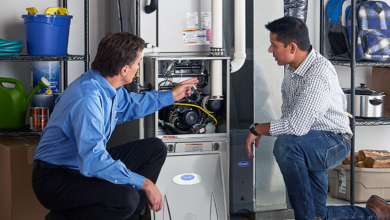
Replacing or installing a new HVAC system is one of the most important investments a homeowner can make. Heating and cooling equipment affects comfort, energy efficiency, indoor air quality, and long-term utility costs. Yet many homeowners begin the process without fully understanding how installation decisions can impact system performance for years to come.
A high-quality HVAC system alone does not guarantee reliable comfort. Proper installation, accurate sizing, airflow planning, and ongoing maintenance all play critical roles in how efficiently a system operates.
For homeowners considering a new installation, learning the key factors involved can help avoid costly mistakes and improve long-term satisfaction.
Why HVAC Installation Is About More Than Equipment
Many people focus heavily on choosing a specific HVAC brand or model. While equipment quality certainly matters, installation quality often has an even greater impact on system performance.
An improperly installed system may experience:
- Reduced efficiency
- Uneven temperatures
- Frequent breakdowns
- Poor airflow
- Excessive energy usage
- Shortened equipment lifespan
Even advanced systems can struggle if ductwork is poorly designed or airflow calculations are inaccurate.
Professional installation helps ensure all system components work together properly. This includes evaluating duct performance, refrigerant levels, thermostat integration, insulation conditions, and ventilation requirements.
Proper Sizing Is One of the Most Important Steps
One of the biggest misconceptions homeowners have is that larger HVAC systems automatically perform better.
In reality, oversized systems often create unnecessary problems.
A system that is too large may cool or heat a home too quickly, preventing proper humidity control and causing frequent cycling. This repeated starting and stopping places extra wear on components.
Undersized systems can be equally problematic. Equipment that is too small may run continuously without maintaining comfortable temperatures during extreme weather.
Professional load calculations help determine the correct system size based on:
- Square footage
- Ceiling height
- Window placement
- Home insulation
- Local climate conditions
- Occupancy patterns
- Ductwork layout
Accurate sizing creates better efficiency, improved comfort, and more balanced airflow throughout the home.
Energy Efficiency Should Be a Long-Term Priority
Energy efficiency has become a major concern for homeowners as utility costs continue to increase.
Modern HVAC systems are significantly more efficient than many older models. New technology allows systems to regulate output more precisely, reducing wasted energy while maintaining consistent comfort.
Features that contribute to higher efficiency may include:
Variable-Speed Technology
Variable-speed motors adjust airflow gradually instead of operating at full power constantly.
Smart Thermostat Integration
Programmable thermostats allow homeowners to optimize temperature schedules and monitor usage.
Improved Refrigerant Management
Newer systems often operate with more environmentally conscious refrigerants and improved cooling performance.
Enhanced Airflow Design
Better airflow reduces strain on equipment and improves overall comfort.
Although energy-efficient systems may require a higher upfront investment, they can help reduce long-term operating costs over time.
Ductwork Plays a Bigger Role Than Many Realize
Ductwork is often overlooked during HVAC upgrades, but it has a major impact on performance.
Even a high-efficiency system can struggle if conditioned air is escaping through leaks or airflow is restricted by poor duct design.
Common duct-related problems include:
- Air leaks
- Poor insulation
- Crushed duct sections
- Improper sizing
- Restricted airflow
- Uneven air distribution
Before installing new equipment, homeowners should consider having their ductwork evaluated.
Improving duct performance may increase comfort while helping the system operate more efficiently.
See also: Modular Whole-Home Battery System
Indoor Air Quality Is Closely Connected to HVAC Performance
Many homeowners now view HVAC systems as part of a broader indoor health strategy.
Heating and cooling systems circulate air throughout the home, which means system performance directly affects indoor air quality.
Modern HVAC installations often include upgraded filtration systems that help reduce:
- Dust
- Allergens
- Pet dander
- Airborne particles
- Indoor pollutants
Humidity control also plays an important role.
Excess moisture can contribute to discomfort and mold growth, while overly dry air may create irritation.
A properly designed HVAC system helps maintain balanced humidity levels for improved indoor comfort.
Planning Ahead Can Reduce Future Costs
Some homeowners wait until a complete system failure occurs before considering replacement. Unfortunately, emergency installations often limit available options and may increase stress during extreme weather conditions.
Planning ahead allows homeowners to:
- Compare equipment options carefully
- Evaluate efficiency ratings
- Budget appropriately
- Schedule installation during less demanding seasons
- Improve ductwork if needed
- Research maintenance requirements
This proactive approach often leads to better long-term outcomes.
Homeowners can also avoid rushed decisions that may prioritize short-term convenience over long-term performance.
Choosing the Right Installation Team Matters
HVAC installation involves complex mechanical, electrical, and airflow considerations. Experience and technical knowledge play major roles in ensuring reliable results.
When evaluating providers for HVAC installation in San Antonio TX, homeowners often benefit from choosing professionals who focus on proper system evaluation rather than simply recommending the largest or most expensive equipment.
A quality installation process typically includes:
- Full home evaluation
- Load calculations
- Ductwork assessment
- Energy efficiency recommendations
- Clear installation timelines
- System testing after completion
Attention to detail during installation helps support long-term system reliability.
Understanding the Importance of Maintenance After Installation
Installing a new HVAC system is only the beginning.
Routine maintenance remains essential for protecting system performance over time.
Preventive maintenance helps:
- Maintain energy efficiency
- Reduce unexpected repairs
- Improve indoor comfort
- Extend equipment lifespan
- Identify issues early
Many homeowners schedule seasonal inspections before peak summer and winter weather arrives.
Basic maintenance habits such as replacing filters regularly and keeping outdoor units free from debris can also improve overall performance.
Smart Technology Continues to Shape HVAC Systems
Modern HVAC technology has advanced considerably in recent years.
Homeowners now have access to smart systems that allow remote temperature adjustments, energy monitoring, and automated comfort settings.
Some systems can even detect usage patterns and adjust performance automatically.
These innovations help improve convenience while supporting more efficient energy usage.
As smart home technology becomes increasingly common, HVAC integration will likely continue evolving.
Conclusion
Installing a new HVAC system is a major decision that affects comfort, efficiency, and long-term home performance. While choosing quality equipment is important, proper installation and system design are equally critical.
Homeowners who take time to understand sizing, airflow, ductwork, and maintenance considerations are often better prepared to make informed decisions.
By approaching HVAC installation as a long-term investment rather than a quick replacement, homeowners can create a more comfortable and energy-efficient living environment for years to come.