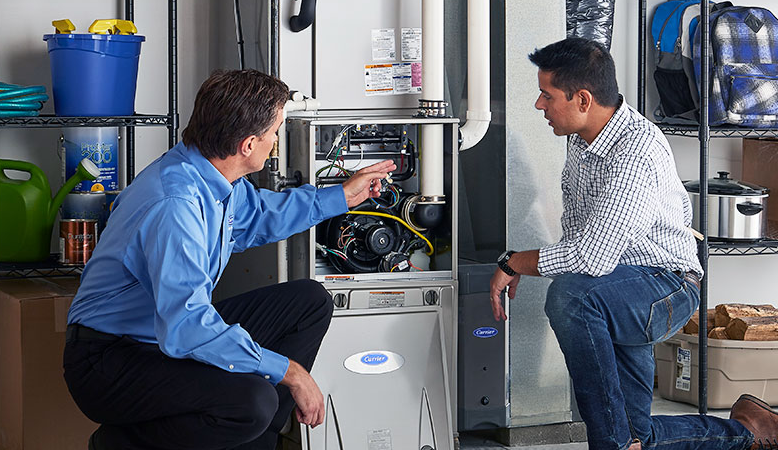
When your furnace starts acting up, you face a tough question: should you repair it or replace it? The answer affects your home’s comfort, safety, and long-term finances. While a repair might seem cheaper and faster upfront, a replacement can offer better value over time. By considering key factors like your furnace’s age, efficiency, performance, and how often it needs repairs, you can make an informed decision.
Start with the Age of Your Furnace
Age is a critical factor in your decision. Most furnaces last 15 to 20 years, depending on how well they are maintained.
As a furnace ages:
- Internal parts experience more wear
- Efficiency naturally declines
- Repairs tend to become more frequent
If your system is nearing the end of its expected lifespan, replacement may be a more practical long-term solution than continuing to invest in repairs.
Consider the Frequency of Repairs
Occasional repairs are expected, but frequent breakdowns are a warning sign. If your furnace needs servicing multiple times a year, the total cost can quickly spiral.
Frequent repairs often indicate:
- Worn-out internal components
- Reduced system reliability
- Increased risk of total failure
At some point, the cost of ongoing repairs may outweigh the value of keeping the system running.
Evaluate Heating Performance and Comfort
Uneven temperatures, weak airflow, or a struggle to keep your home comfortable are signs your furnace is failing.
Performance issues can include:
- Cold spots in certain rooms
- Longer heating cycles
- Inconsistent temperature control
While some performance problems can be fixed, others point to overall system decline. Replacement may restore consistent comfort more effectively than repeated adjustments.
Look at Energy Efficiency and Utility Costs
Older furnaces often lose efficiency as they age, causing energy usage and utility bills to climb.
Efficiency concerns often show up as:
- Rising heating costs without increased usage
- Longer run times to reach desired temperatures
- Reduced overall system output
Upgrading to a newer system can significantly improve efficiency and lower monthly expenses over time.
Compare Repair Costs to Replacement Value
A good rule of thumb is to compare repair costs to the price of a new furnace. If the repair is costly and the system is aging, replacement may offer better long-term value.
Replacement can offer:
- Improved reliability
- Lower operating costs
- Modern safety and efficiency features
Investing in a new system can reduce uncertainty and future repair expenses.
Safety Should Always Be a Priority
Furnaces rely on combustion, electrical connections, and ventilation systems. As units age, safety risks can increase if components degrade.
Potential safety concerns include:
- Cracks in the heat exchanger
- Gas or exhaust leaks
- Faulty ignition systems
If safety issues are identified during inspection, replacement is often the safest and most responsible option.
Consider Local Climate Needs
In areas with cold seasons, heating systems are in high demand. A furnace that constantly struggles during the winter might not be worth repairing over and over. If your comfort and the furnace’s reliability are compromised, furnace replacement in Herriman is something homeowners should consider for dependable heating that suits local weather. An efficient system ensures peace of mind all winter long.
See also: Modular Whole-Home Battery System
Think About Long-Term Home Plans
Your plans for the home also influence the decision. For those staying long-term, replacement may offer better comfort and savings over time.
Replacement benefits for long-term homeowners include:
- Predictable performance
- Reduced maintenance needs
- Increased home value appeal
For short-term plans, a repair might make sense if the system is still relatively young and reliable.
Maintenance History Tells an Important Story
A well-maintained furnace often performs better and lasts longer. If maintenance has been inconsistent, hidden issues may already exist.
Maintenance history helps determine:
- Overall system condition
- Likelihood of future repairs
- Remaining useful life
Systems with a strong maintenance record are often better candidates for repair, while neglected systems may be closer to replacement.
Professional Evaluation Makes the Decision Clearer
When the choice is unclear, a professional inspection offers certainty. Trained technicians assess your furnace’s condition, safety, and efficiency to help clarify your options.
A detailed evaluation:
- Identifies hidden problems
- Estimates remaining lifespan
- Provides realistic cost comparisons
This insight removes guesswork and supports confident decision-making.
Repair vs. Replacement
Choosing between furnace repair and replacement involves balancing immediate costs against long-term value. Key factors include the system’s age, efficiency, safety, and how often it breaks down. While repairs can extend a unit’s life, a new system often provides better comfort, improved reliability, and peace of mind. Carefully evaluating these factors ensures your home remains warm, safe, and energy-efficient for years to come.