Most of us expect our teeth to grow in naturally, find their place, and function without complications. However, for many individuals, a tooth may fail to erupt properly, becoming what is known as an impacted tooth. This condition can be uncomfortable—and sometimes even painful—if left untreated. Whether you’ve been told you have an impacted tooth or are simply curious, understanding how and why impaction occurs is the first step toward keeping your oral health in check.
What Is an Impacted Tooth?
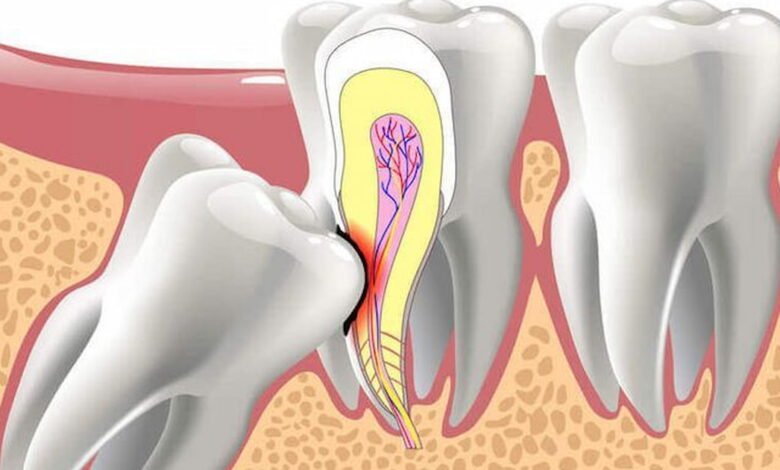
An impacted tooth is one that is blocked from breaking through the gum line. While any tooth can become impacted, wisdom teeth and canines are the most common. Sometimes an impacted tooth stays completely beneath the gums, and other times only part of it emerges. In both cases, the tooth lacks the space or proper path to grow naturally.
This condition often goes unnoticed at first, especially when pain isn’t present. But over time, impacted teeth may lead to infections, swelling, alignment problems, or even cysts, making early awareness incredibly valuable.
1. Lack of Space in the Jaw
One of the most common reasons for tooth impaction is simply that the mouth doesn’t have room to accommodate new teeth. This is especially true for wisdom teeth, which are the last to erupt and must compete for limited space. If the jaw is too small or crowded, newer teeth may push against existing ones and remain trapped under the gumline.
2. Tooth Misalignment
Sometimes the problem is not the space available, but the direction the tooth is growing. A tooth may tilt sideways, backward, or forward, preventing a natural eruption. Misalignment can occur due to genetics, early loss of baby teeth, or habits such as thumb sucking, which may influence how teeth shift over time.
3. Overcrowding of Teeth
Crowding often begins in childhood as permanent teeth begin to emerge. If baby teeth fall out too late or erupt irregularly, permanent teeth may compete for position. As a result, one or more teeth may become blocked from emerging properly, leading to impaction. Orthodontic evaluations during childhood can help identify these risks early.
4. Genetics and Family History
If impacted teeth run in your family, you may be more likely to experience them as well. Genetics influence jaw size, tooth shape, and the timing of eruption. Even if you maintain excellent oral care, hereditary traits may cause impaction that requires professional treatment.
See also: The Harmony of Beauty, Health, and Family Wellness
5. Gum or Bone Tissue Obstruction
In some cases, the gums or surrounding bone may physically block a tooth from breaking through. This can happen due to thick gum tissue, abnormal bone growth, or certain developmental conditions. Without proper eruption space, the tooth remains trapped beneath the surface.
6. Cysts and Other Growths
While less common, cysts or benign growths can form around unerupted teeth, preventing them from emerging. These growths may cause pressure or displacement of surrounding teeth, and they require attention from a dental professional to prevent long-term damage to the jaw.
Symptoms You Shouldn’t Ignore
Impacted teeth don’t always cause immediate discomfort, but symptoms may develop over time. Warning signs include:
- Tenderness or pain near the jaw
- Swelling or redness in the gums
- Bad breath or foul taste
- Difficulty opening the mouth
- Headaches or jaw stiffness
- Crowding or shifting teeth
Regular dental checkups help detect these issues early—even before symptoms appear.
Treatment Options for Impacted Teeth
Treatment varies depending on the severity of impaction. In some cases, the tooth may erupt naturally over time with monitoring. When intervention is needed, dentists may recommend:
- Extraction for problematic wisdom teeth
- Braces or orthodontics to create space for eruption
- Exposure procedures to guide the tooth into place
- Removal of cysts or tissue that obstruct eruption
When a tooth is severely impacted or causing complications, professional care becomes essential. For those considering treatment, oral surgery in Richmond Indiana can help resolve impaction and restore oral comfort.
Keep Your Smile on Track
While tooth impaction is common, it doesn’t have to disrupt your dental health. Being aware of the causes, symptoms, and treatment options empowers you to act early and avoid complications in the future. Regular dental visits, early orthodontic assessments, and timely intervention can make all the difference in maintaining a healthy smile.
Understanding the root of the issue is the first step—now you’re well equipped to take charge of your oral health with confidence.