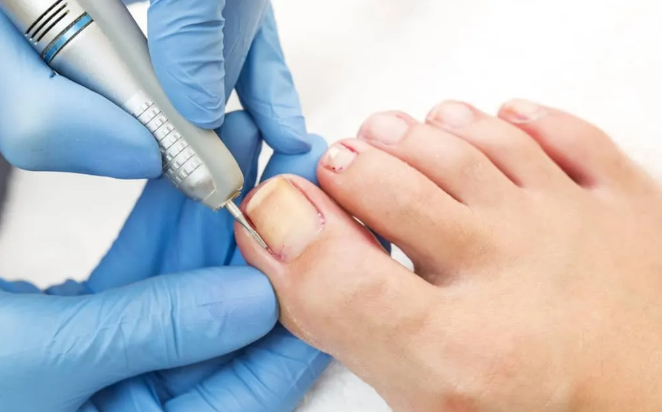
Ingrown toenails are a common foot problem that can cause pain, swelling, and even infection if left untreated. While they might seem minor at first, understanding why ingrown toenails occur is essential for preventing them and maintaining healthy feet. In this blog, we’ll explore the most common causes of ingrown toenails, factors that increase your risk, and tips for prevention and care.
What is an Ingrown Toenail?
An ingrown toenail happens when the edge of a toenail grows into the surrounding skin instead of straight out. This can lead to redness, swelling, and tenderness, and in severe cases, it may cause infection. The big toe is most commonly affected, though ingrown toenails can occur on any toe.
1. Improper Nail Trimming
One of the leading causes of ingrown toenails is cutting your nails incorrectly. Cutting nails too short or rounding the edges can encourage the nail to grow into the skin. To reduce the risk, trim nails straight across and avoid tapering the corners.
2. Tight or Ill-Fitting Shoes
Footwear that compresses the toes can contribute to ingrown toenails. Shoes that are too tight, narrow, or pointed can press the toenail into the surrounding skin, causing irritation and eventual ingrowth. Choosing shoes with a wider toe box and proper support can make a significant difference.
3. Trauma or Injury
Injuries to the toe, whether from stubbing it, dropping something heavy, or repetitive impact during sports, can trigger ingrown toenails. Trauma may alter the nail’s growth direction, pushing it into the skin. Wearing protective footwear and taking care during physical activities can help prevent this.
4. Genetic Factors
Some people are naturally more prone to ingrown toenails due to the shape and thickness of their nails. If your nails are naturally curved or unusually thick, you may have a higher risk. Being aware of this can help you take extra care in nail maintenance and footwear choices.
5. Poor Foot Hygiene
Not keeping your feet clean and dry can increase the likelihood of an ingrown toenail developing. Moist environments can soften the skin around the nail, making it easier for the nail to dig in. Regular washing, thorough drying, and wearing breathable socks can help maintain healthy toenails.
See also: Healthcare and Insurance Guide for UK International Students
6. Repetitive Activities
Certain activities that put repeated pressure on your toes, such as running, soccer, or ballet, can increase the risk of ingrown toenails. Wearing appropriate shoes for your activity and ensuring proper nail care can reduce this risk.
7. Medical Conditions
Some medical conditions, including diabetes and circulatory problems, may make toenail issues more likely. People with these conditions should be especially vigilant about foot care to avoid complications.
Preventing Ingrown Toenails
Prevention is always better than treatment. Here are some key tips:
- Trim nails straight across without rounding the corners.
- Wear shoes that provide enough room for your toes.
- Keep feet clean and dry.
- Avoid repetitive trauma to the toes.
- Monitor your nails regularly for early signs of ingrowth.
When to Seek Treatment
If an ingrown toenail becomes painful, infected, or recurrent, professional treatment may be necessary. Local options, such as ingrown toenail treatment in Orem, can provide relief and prevent complications. Early intervention by a podiatrist can help manage the condition effectively and reduce the risk of surgery.
In Conclusion
Ingrown toenails are more than just a minor nuisance—they can interfere with daily activities and lead to infection if ignored. By understanding the common causes, from improper trimming to tight shoes and genetic factors, you can take steps to prevent them. Maintaining good foot hygiene, wearing proper footwear, and seeking timely treatment are key strategies for keeping your toes healthy and pain-free.
Taking a proactive approach ensures you can step comfortably without worrying about the pain and complications of ingrown toenails.