Frequent outages, extreme weather, and growing grid instability are pushing more households to rethink how they stay powered during emergencies. Fuel generators used to be the default choice, but today’s homeowners want something cleaner, quieter, and more reliable. This shift has led to the rise of modular whole-home battery systems, an approach that scales with your needs and integrates naturally into modern living. The question many people now ask is simple: Are modular systems becoming the future of home backup power?
Why Homeowners Are Moving Beyond Traditional Generators
For decades, the standard backup solution, often a traditional whole home generator, relied on engines, fuel storage, and routine mechanical upkeep.These systems work, but they also come with noise, fumes, maintenance intervals, and carbon-monoxide risks. As homes become more electrified and energy-aware, many people prefer a backup option that aligns with modern expectations: clean operation, minimal upkeep, and instant responsiveness.
Battery-based systems provide exactly that. They operate silently, require no fuel deliveries, and activate automatically the moment the power goes out. For homeowners who want peace of mind without constant supervision, the appeal is clear.
What Makes a Modular Whole-Home Battery System Different
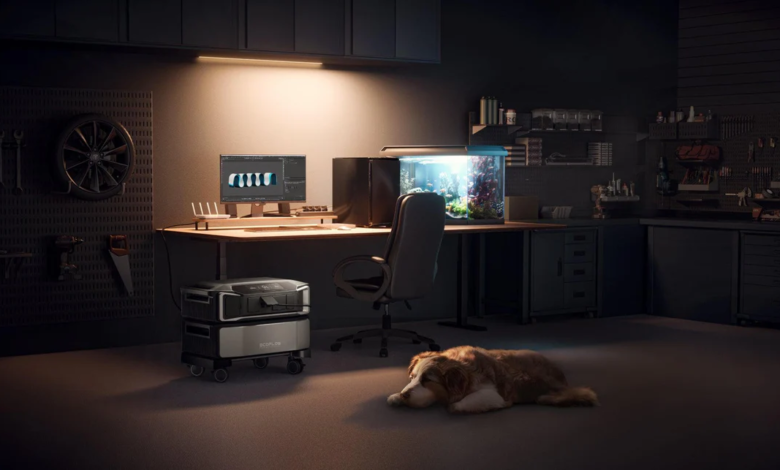
A modular system is built from stackable or expandable battery units that work together as one integrated power source. Instead of buying a fixed-size generator, homeowners can increase capacity at any time by adding more battery modules. This creates flexibility that older backup technologies cannot match.
A typical modular setup includes several key components:
- A central inverter that manages power conversion
- Stackable battery units that expand storage
- A home power panel that distributes electricity to selected circuits
- Optional solar input to allow daytime recharging
Because everything is designed to scale, families can start small and grow their system over time. This makes modular backup especially appealing for new homeowners or people planning renovations or future electrification projects.
Scalability: The Core Advantage
One of the strongest benefits of a modular battery system is its ability to match changing household needs. Many people begin with essential loads such as refrigeration, lights, internet, and medical equipment. Over time, they might add climate control, cooking appliances, or workshop tools as budgets and priorities shift.
A modular system supports this growth naturally. Instead of replacing the entire backup unit, you simply add capacity. This flexibility also protects long-term investment, because the system evolves alongside your home rather than becoming obsolete.
Cleaner, Quieter, and Safer Backup Power
Compared with combustion-based generators, battery systems offer several safety and comfort advantages:
- No fumes or exhaust
- No noise disruptions
- No fuel storage concerns
- No carbon-monoxide risk
- Indoor and outdoor installation options
For densely populated neighborhoods, condos, or households with children or elderly residents, the quieter and cleaner nature of battery backup makes daily life significantly more comfortable during an outage.
Seamless Integration with Solar Power
Many modern homes already use rooftop solar or plan to adopt it in the coming years. A modular battery system pairs naturally with solar panels, creating a closed-loop backup setup that recharges during the day and delivers energy at night.
This combination increases autonomy during extended blackouts and reduces reliance on the grid long term. As more regions introduce net metering changes and time-of-use pricing, homeowners gain the option to store inexpensive daytime energy and use it during peak hours, saving money while increasing resilience.
Smart Monitoring and Automation
Today’s battery systems are designed with digital management in mind. Homeowners can track energy usage, check system health, and monitor charging status directly from a mobile app. Automated transfer switching restores power to the home in seconds, and built-in diagnostics help prevent failures before they occur.
This level of transparency and control is a major leap forward compared to traditional generators, where performance often depends on manual checks, fuel levels, and loud engine behavior.
A More Sustainable Long-Term Investment
As battery technology becomes more efficient, durable, and affordable, the long-term cost of clean backup power continues to improve. Many households view modular systems not just as emergency equipment but as part of a broader energy strategy that includes solar production, peak-shaving, and grid independence.
With the growing global push toward electrification—from heat pumps to electric vehicles—homes will increasingly rely on stable electricity for daily life. A modular whole-home battery system ensures that this stability remains even when the grid falters.
So, Is Modular Backup Power the Future?
All signs point in that direction. The flexibility to expand over time, the quiet and emission-free operation, the compatibility with solar, and the smart-home integration make modular systems a natural evolution of residential backup power. As the grid becomes more unpredictable and more families prioritize resilience, modular whole-home battery systems are emerging as a forward-looking, practical solution for modern homes.
They don’t just keep the lights on. They redefine what reliable backup power looks like in the twenty-first century.